
Travel story 12 min read
MyTravelBuddy Stories
The Seven Hawaiian Islands Are Not One Dream
A discovery-minded journey through Hawaiʻi Island, Maui, Oʻahu, Kauaʻi, Molokaʻi, Lānaʻi, and Niʻihau: seven different ways the islands reveal beauty, story, and rhythm.
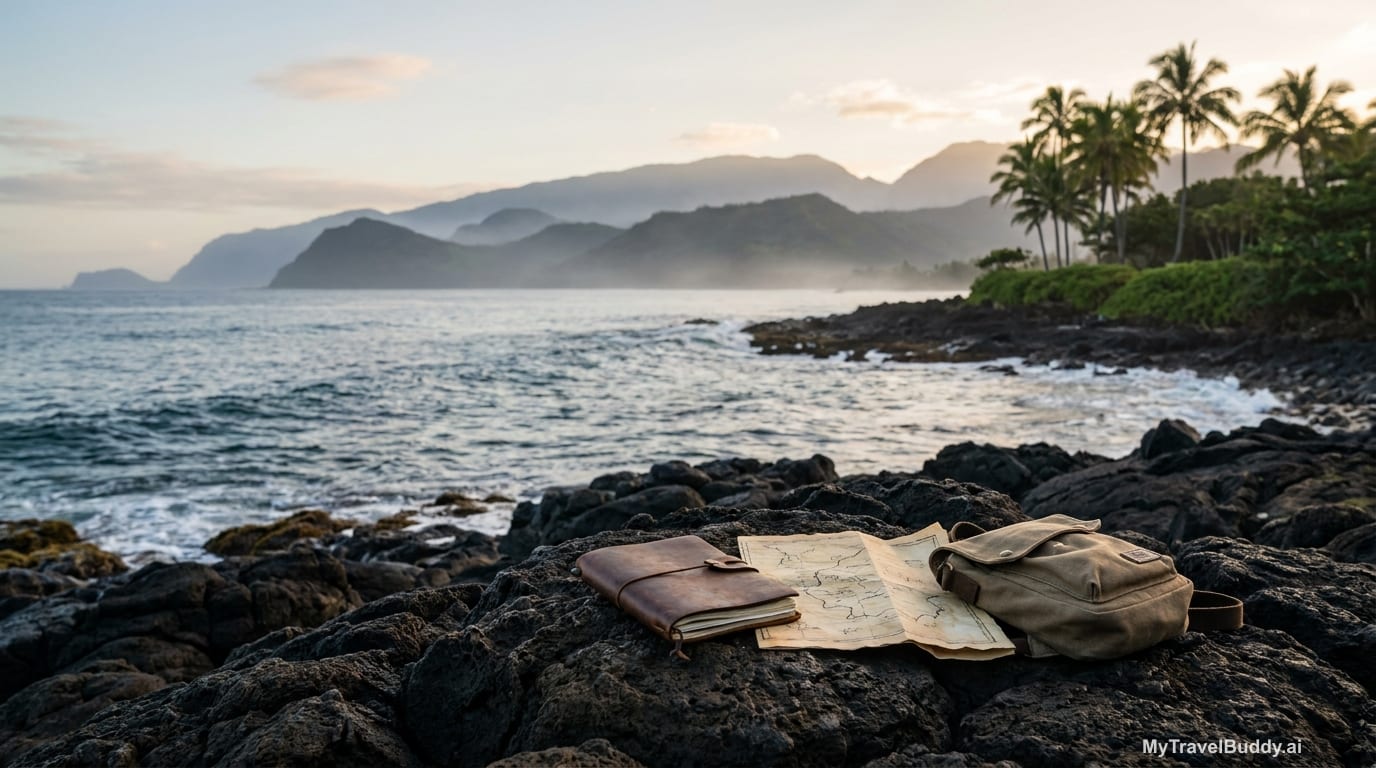
Hawaiʻi is sometimes sold as if it were a single feeling.
A beach. A flower behind the ear. A sunset doing its golden work. The postcard is not false, exactly, but it is much too small. The islands are not one dream repeated seven times. They are seven different conversations with wind, water, fire, rain, memory, and patience.
This is a journey through the seven inhabited Hawaiian Islands: Hawaiʻi Island, Maui, Oʻahu, Kauaʻi, Molokaʻi, Lānaʻi, and Niʻihau. Kahoʻolawe belongs to the Hawaiian story too, but it asks for a different kind of attention: restoration, cultural care, and restricted access rather than ordinary travel. So this piece follows the seven-island frame most travelers mean, while holding space for the larger chain behind it.
The point is not to collect islands like stamps.
The point is to listen long enough to notice that each one has its own tempo.
Hawaiʻi Island: Where the Earth Is Still Speaking
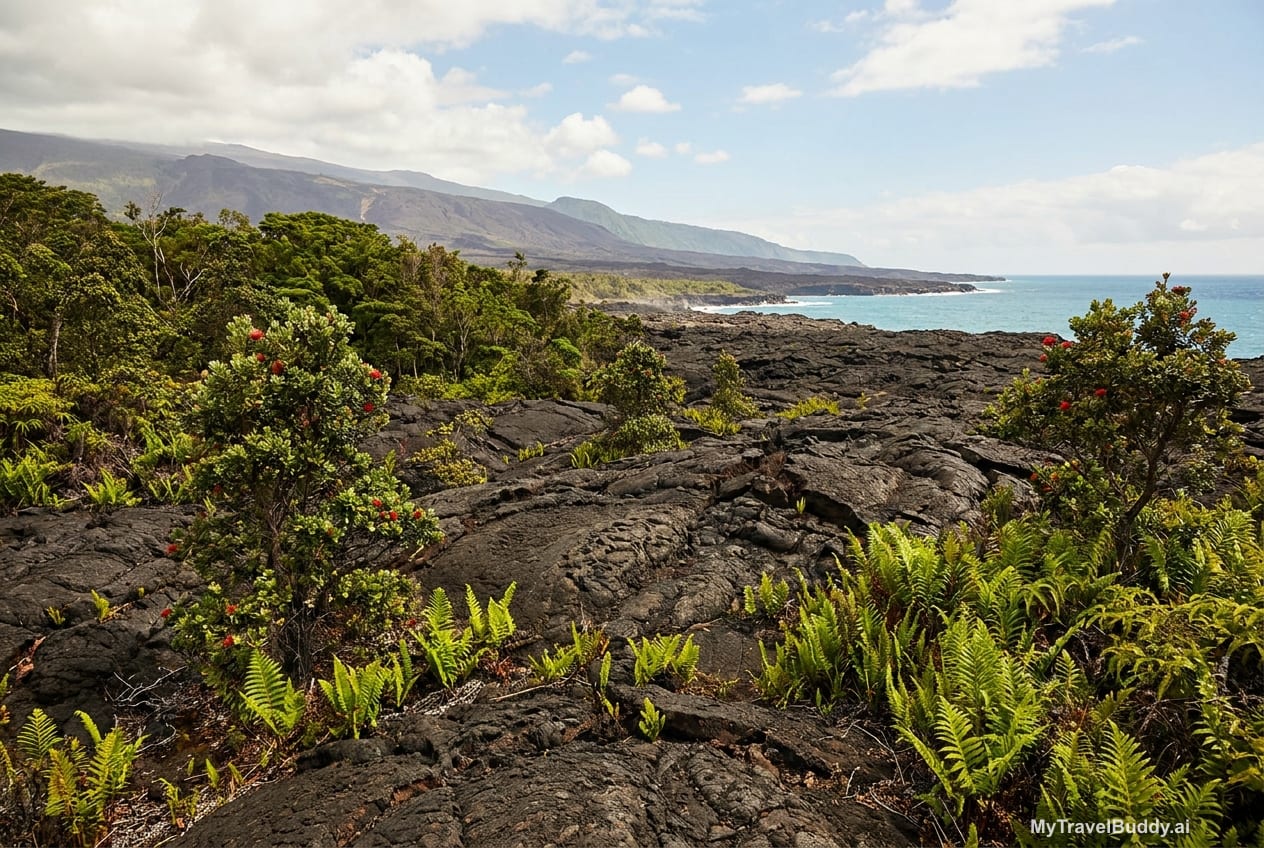
Hawaiʻi Island is the one that reminds you the planet is not finished.
People call it the Big Island because the name solves a practical problem: this island shares its name with the state. But the nickname also carries a truth. Hawaiʻi Island feels big not only in square miles, but in mood. It holds deserts and rainforest, ranch country and black sand, lava fields and high cold summits, coastlines that look newly written and valleys that feel ancient before you can explain why.
This is not the island to rush through with a tidy list.
It is the island where you feel scale return to your body. A road can carry you from bright ocean air into mist, from green into charcoal, from the ordinary logic of beaches into the more humbling thought that land is born violently and then softened slowly by time.
The beauty here is not always easy in the way resort brochures like beauty to be easy. Sometimes it is stark. Sometimes it is strange. Sometimes it looks like a field of dark stone where nothing should grow, and then, right there, a small green plant appears with the confidence of a future forest.
That is the island's story: creation in progress.
Visit Hawaiʻi Island when you want to feel the deeper engine of the archipelago. Come for Hawaiʻi Volcanoes National Park, for coffee country in Kona, for Hilo rain, for stargazing when access and conditions allow, for beaches that do not all look alike, and for the rare feeling that the ground beneath you is both old and new.
Bring curiosity. Bring patience. Bring respect for closures, sacred places, weather, ocean conditions, and the fact that volcanic landscapes are not scenery arranged for visitors. They are living ground.
Maui: The Island of Weather and Return
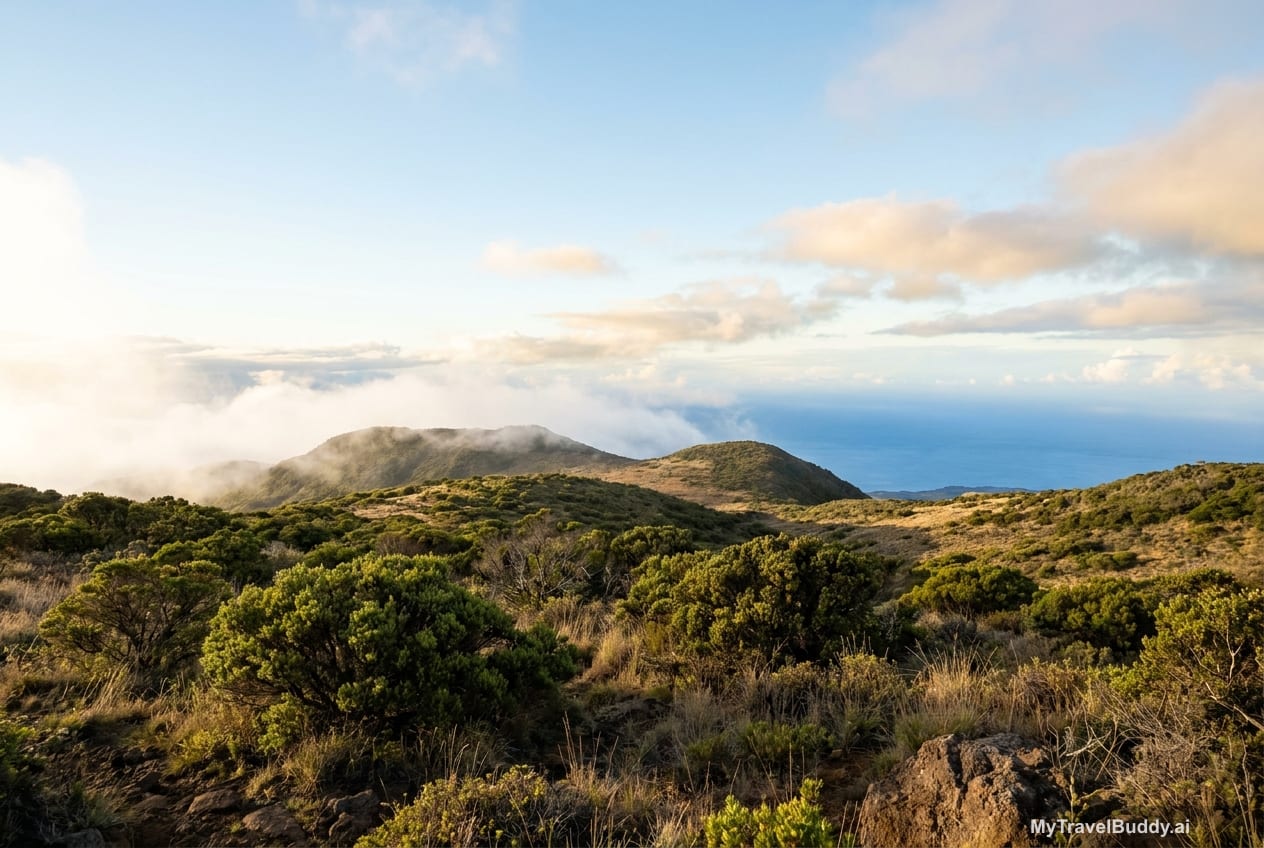
Maui is often described through pleasure first.
The road. The beaches. The sunset. The meal after a long day in salt water. All of that is real. But Maui's quieter beauty lives in how quickly the island changes its mind.
Morning can begin in the hush of high elevation, where Haleakalā gathers clouds like a thought it is not ready to share. By midday, the coast can be bright and soft. Later, wind moves across the land with the confidence of something that has been shaping the island long before anyone made an itinerary.
Maui teaches movement without making it frantic.
It can be tender in one hour and dramatic in the next: upcountry farms, curving roads, rain-washed gulches, beaches held between lava rock and blue water. Even the light seems to travel. It slides down slopes, breaks through cloud, catches on grass, and turns the ocean silver for a moment before moving on.
To visit Maui well is to resist treating it as a greatest-hits album. The island has carried real grief, especially after the Lahaina fires, and travel here asks for care: follow local guidance, support local businesses thoughtfully, do not turn loss into curiosity, and let recovery belong first to the people who live there.
Maui is worth visiting because it can hold many kinds of tenderness at once. It gives you beaches, yes, but also elevation, weather, farms, roads, small towns, and the feeling of being invited to slow down enough to notice what has changed in the air.
A travel companion earns its keep on Maui by helping you plan less aggressively: checking conditions before a long drive, watching sunrise reservations or park rules when relevant, building in rest, and leaving room for the island to redirect the day.
Oʻahu: Where the City Meets the Sacred Shore
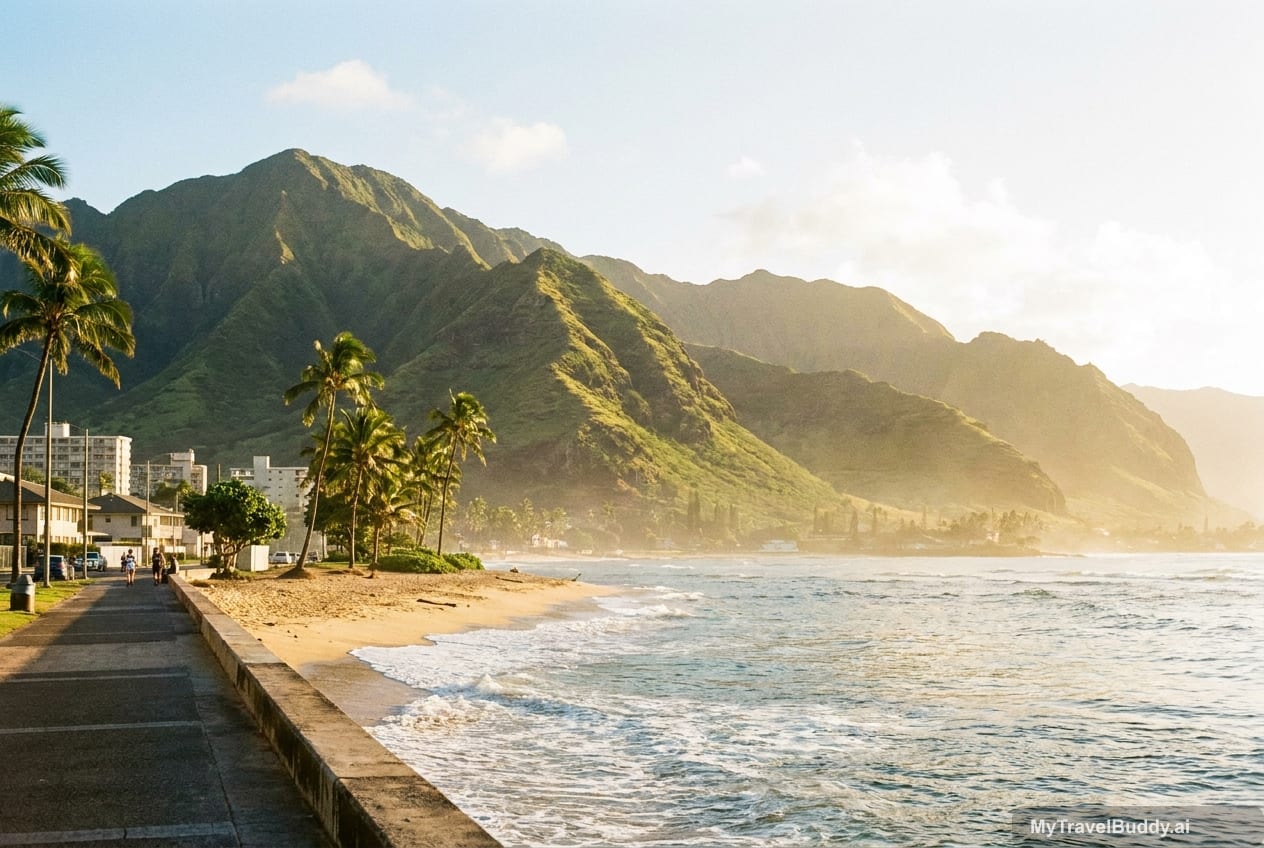
Oʻahu is the island people underestimate because it is the one they think they already know.
They know Waikīkī before they arrive. They know the skyline, the hotel balconies, the surf lesson photos, the restaurants with long waits, the airport energy, the traffic. And yes, Oʻahu is busy. It is urban. It has momentum. It can ask more of your patience than a fantasy island is supposed to ask.
But that is also why Oʻahu is compelling.
It is not an escape from real life. It is real life at the edge of extraordinary beauty.
Here, a city can wake up beside water that still turns strangers quiet. Mountain ridges can rise at the end of an ordinary street. A food stop can carry family history. A beach park can be both beloved local place and visitor destination, which means your presence should be light, attentive, and humble.
Oʻahu's story is not just Honolulu, though Honolulu is part of it. It is the Koʻolau ridges holding cloud and shadow. It is the North Shore changing its mood with the season. It is Pearl Harbor's history, Bishop Museum's depth, local plate lunches, neighborhood bakeries, beach mornings, and the constant lesson that famous places can still ask to be seen more carefully.
Visit Oʻahu if you want Hawaiʻi with layers.
It is the island for travelers who like culture with their coastline, museums with their swimming, city nights after mountain views, and the friction of a place that belongs to residents first but has been looked at by the world for generations. The reward is not emptiness. The reward is texture.
Oʻahu says: do not confuse busyness with lack of wonder.
Kauaʻi: The Green Island That Keeps the Rain
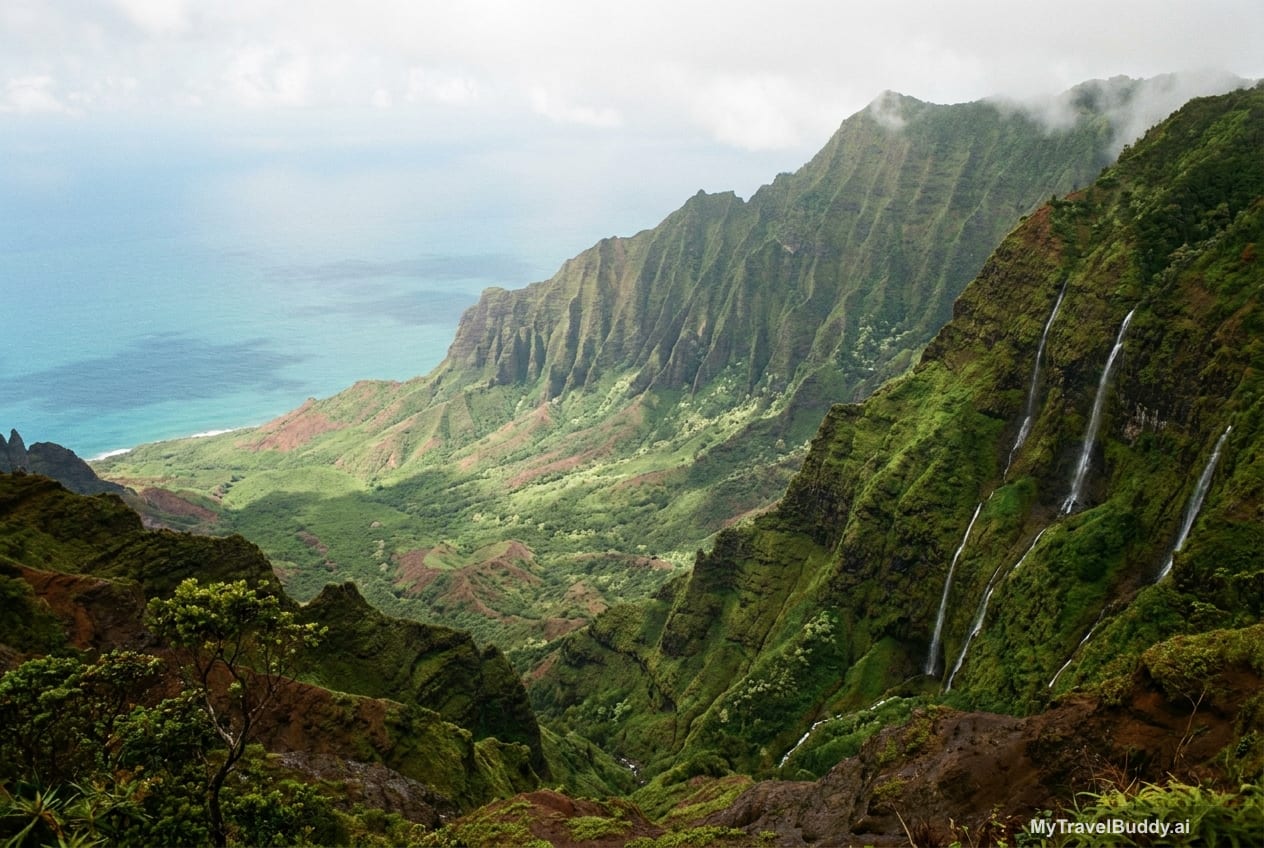
Kauaʻi feels as if rain learned how to become architecture.
The island is green in a way that makes the word seem underbuilt. Green walls. Green folds. Green valleys that appear to hold their own weather. Green cliffs dropping toward water with a drama that would feel excessive if nature were not so good at getting away with excess.
But Kauaʻi is not only lush. It is intimate.
Even its grandeur has a soft edge. A passing shower changes the day without ruining it. A muddy trail reminds you that beauty is not always polished. A coastal overlook can feel like the island has opened a curtain for a moment, then closed it again with cloud.
Kauaʻi is where many travelers come for the Nā Pali Coast, Waimea Canyon, Hanalei, beaches, gardens, waterfalls, and slower mornings. Those names matter. They are not interchangeable. But the deeper pleasure is the way the island invites you to stop measuring a trip by how many places you reached.
Sometimes the best Kauaʻi moment is not the famous view. It is the quiet after rain, when leaves are still shining, a rooster is making its opinion known somewhere nearby, and the air smells like the island has just washed its face.
Visit Kauaʻi when you want beauty with weather in it.
Plan carefully, because roads, trails, parking systems, surf, and rain can all shape the day. Then, once you have done the responsible part, allow the island to be less efficient than your schedule. Kauaʻi is not trying to be convenient. That is part of its grace.
Molokaʻi: The Island That Keeps Its Own Time
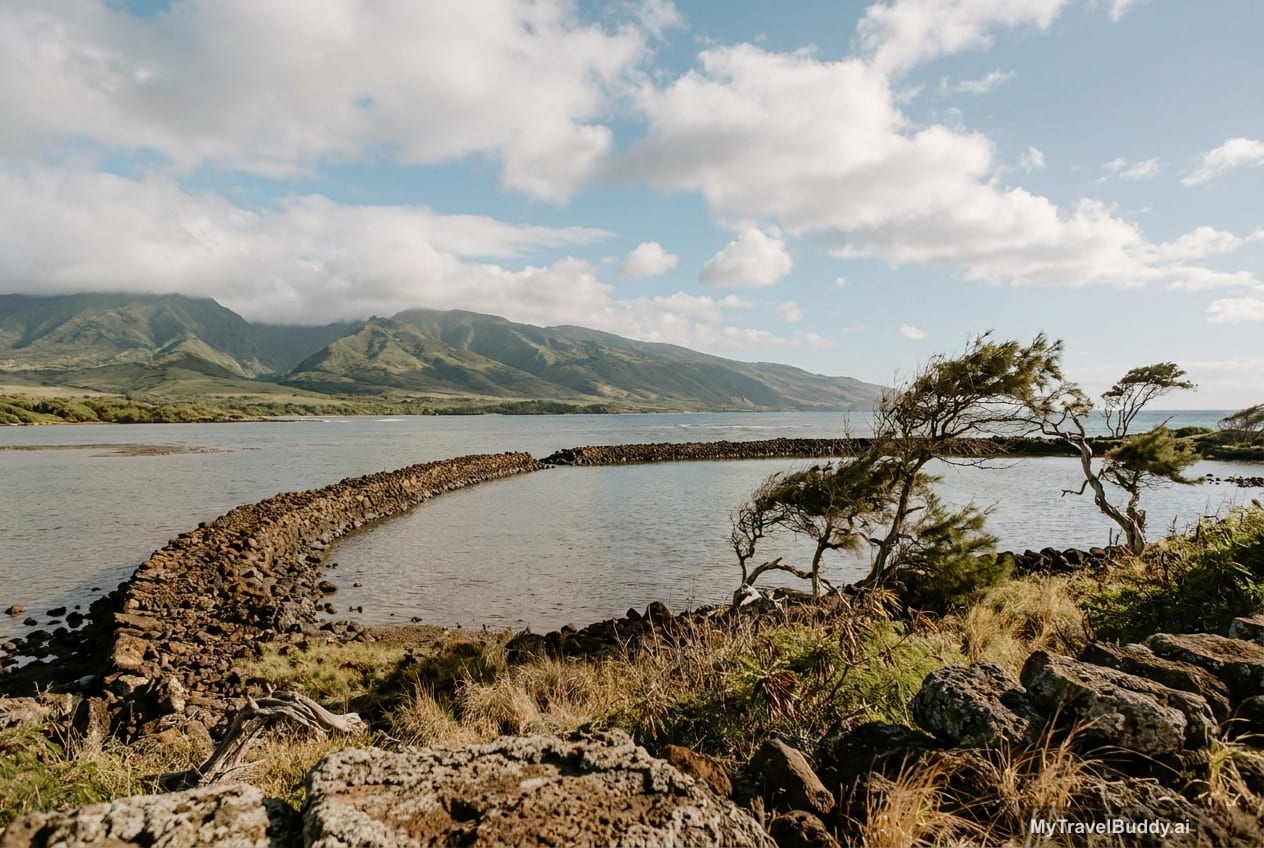
Molokaʻi does not perform for the visitor in the usual way.
That may be the first thing to understand and the first reason to respect it.
The island is sometimes described by what it lacks: no huge resort strip, no restless nightlife, no sense that every view has been rearranged for consumption. But absence is not the story. Presence is.
Molokaʻi has a quieter authority. Fishponds, sea cliffs, small communities, open roads, churchyards, beaches that do not announce themselves with spectacle, and a pace that makes some travelers feel restless until they realize restlessness is the thing being revealed.
The beauty here is less about being dazzled and more about being corrected.
Molokaʻi asks you to consider what travel becomes when the destination is not trying to entertain you every hour. You notice wind. You notice distance. You notice that a place can be generous without being available in the way tourism often expects.
Visit Molokaʻi if you are willing to arrive gently.
Come for quiet coastline, cultural history, natural scale, and the chance to move through a Hawaiian island that has resisted being flattened into a product. Do not come expecting a theme park version of local life. Do not treat privacy as mystery or modest infrastructure as failure. Support local businesses, follow posted access rules, and accept that some places are not yours to enter.
Molokaʻi's hidden beauty is not hidden because no one noticed it.
It is hidden because it asks you to look without taking.
Lānaʻi: The Red Road Between Silence and Sea
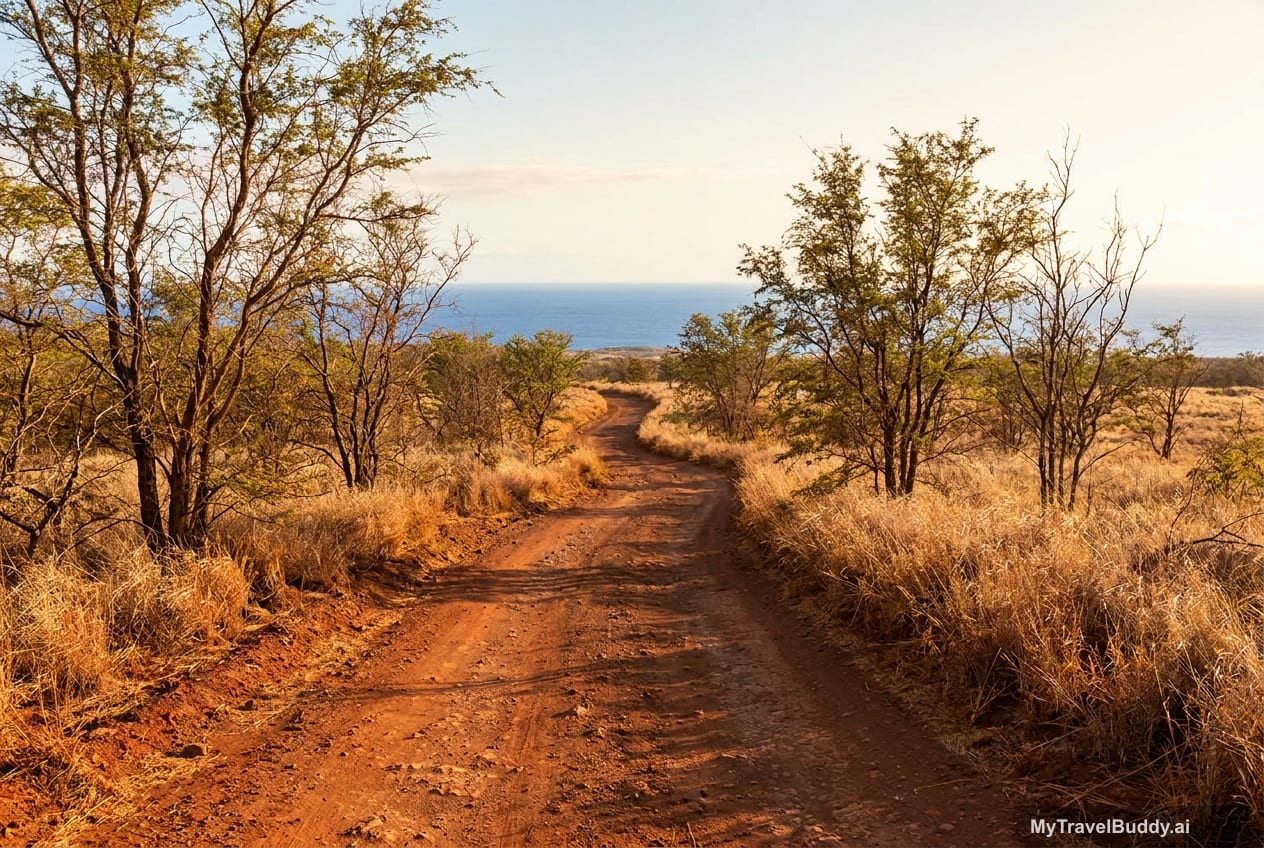
Lānaʻi has a way of making distance feel audible.
The island is small compared with its neighbors, but it does not feel slight. It feels edited. Red dirt roads. Dry grasses. Cook pine silhouettes. Sudden blue water. A town center that moves at human volume. Long spaces where the island seems to be holding its breath.
Lānaʻi is sometimes framed through luxury because that is part of its modern visitor infrastructure. But the more interesting island is found in the contrast between refinement and rawness: polished stays near landscapes that still feel spare, roads that remind you what tires are for, coastlines that do not need much explanation.
The beauty here is restraint.
Where Kauaʻi spills green and Oʻahu hums, Lānaʻi leaves more room between things. A road can feel like a sentence with only the necessary words. A view can arrive without ornament. The island gives you fewer distractions, which means you may start noticing your own pace more honestly.
Visit Lānaʻi if you like quiet with texture.
It suits travelers who can appreciate small-town rhythm, coastal edges, dryland light, and the pleasure of not filling every hour. Logistics matter here: transport, road access, lodging, weather, and local conditions should be checked before you go. Some routes require appropriate vehicles or guided planning, and some places are simply not casual stops.
Lānaʻi rewards travelers who do their homework and then let the island stay spare.
That spareness is not emptiness.
It is the point.
Niʻihau: The Island Best Approached With Humility
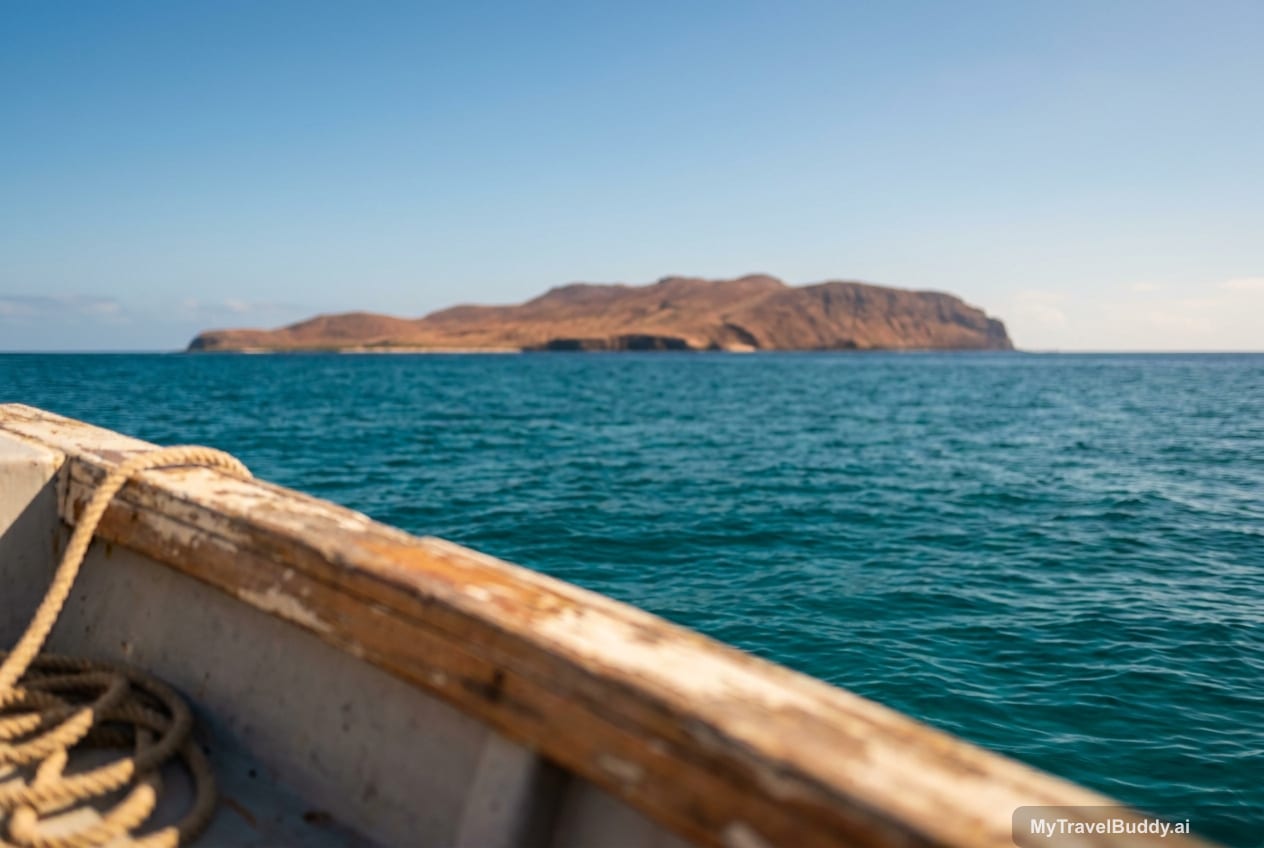
Niʻihau complicates the travel impulse.
It is one of the seven inhabited Hawaiian Islands, but it is not a normal visitor destination. Privately owned and culturally distinct, Niʻihau is often called the Forbidden Island, a nickname that can make outsiders more curious in exactly the wrong way.
Maya would rather call it a reminder.
Not every beautiful place is asking to be visited by you.
That may sound severe inside a travel article, but it is also freeing. Travel does not have to mean access. Sometimes it means understanding a boundary. Sometimes it means letting a place remain distant and still allowing it to shape how you see the rest of the map.
Niʻihau's beauty, from the outside, is partly the beauty of restraint: dry land across bright water, an island held apart, a living Hawaiian community whose privacy deserves more respect than any traveler's curiosity. Limited tours and offshore experiences may exist through specific operators, but access is controlled and should never be treated casually.
Why include Niʻihau at all?
Because the Hawaiian Islands are not only a set of places to book. They are relationships: to land, language, sovereignty, family, ocean, memory, and boundaries. Niʻihau makes that truth harder to ignore.
If your journey brings you near it, approach the island through humility. Learn what you can from reputable sources. Do not chase intrusion. Let the distance teach you something.
Some islands invite your footsteps.
Some ask for your respect from across the water.
Choosing Your Island Is Choosing Your Pace
The question is not which Hawaiian island is best.
That question flattens the answer before it begins.
Choose Hawaiʻi Island when you want scale, volcanoes, black lava, rainforest, coffee country, and the feeling of creation still underway.
Choose Maui when you want weather, highland light, beaches, roads, and a trip that can be soft without being shallow.
Choose Oʻahu when you want culture, food, museums, city life, surf, mountains, and the layered truth of a famous place still full of surprise.
Choose Kauaʻi when you want rain-shaped valleys, cliffs, gardens, trails, and a slower conversation with green.
Choose Molokaʻi when you want quiet, local rhythm, spaciousness, and a reminder that not every island needs to entertain you.
Choose Lānaʻi when you want red roads, dry light, small-town stillness, and the elegance of less.
And hold Niʻihau differently: not as a target, but as a boundary with beauty behind it.
The islands do not need to become a checklist. In fact, they are better when they do not.
A good travel buddy can help with the practical work: matching islands to your pace, checking interisland logistics, watching weather and ocean conditions, remembering access rules, and building a trip that respects both your curiosity and the place itself. But the best companion also knows when to leave space.
Hawaiʻi reveals itself in space.
Between rain and sun. Between cliff and sea. Between the road you planned and the one the weather allows. Between what you are allowed to enter and what you are asked to honor from a distance.
The seven islands are not seven versions of the same paradise.
They are seven different ways of being beautiful.
Continue wandering
One more story for the road
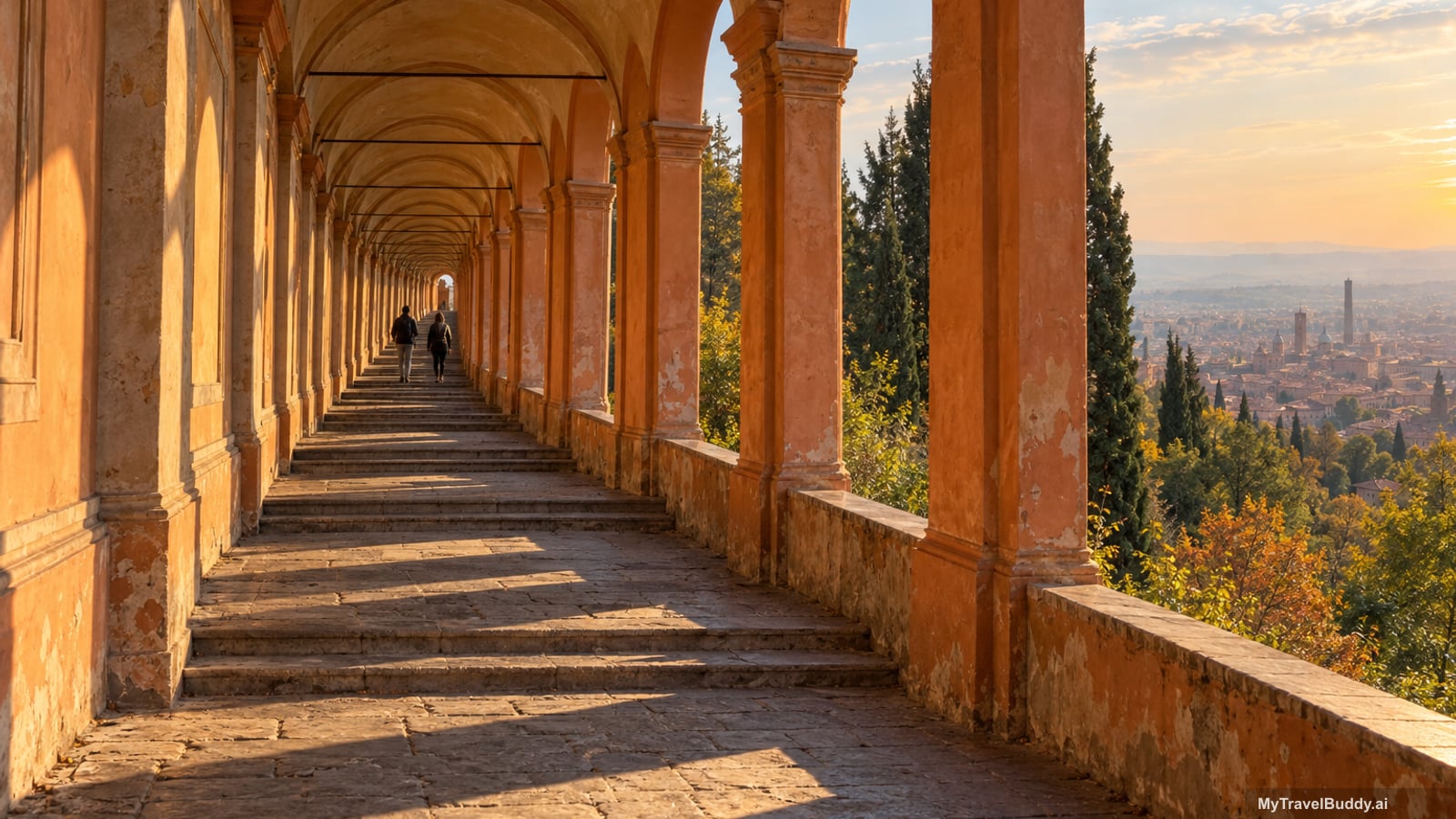
October 8, 2026 · Maya Roam
Bologna Has 62 Kilometres of Roof
Bologna has roughly 62 kilometres of covered portico, about 38 of them inside the historic centre, and the result is a city you can cross — and climb 200 metres of hill in — without ever stepping into the weather. The s…
Read nextInspired to go?